
Dental
August 21, 2026
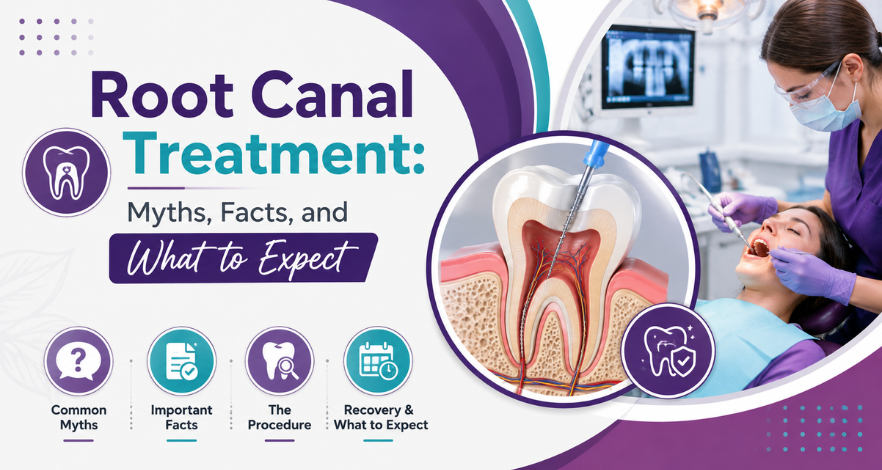
Root Canal Treatment: Myths, Facts, and What to Expect
Few dental procedures carry as much unwarranted fear as the root canal. For decades, root canals have been associated with pain and dread, largely due to outdated perceptions rather than the reality of modern dental practice. This article aims to clear up common misconceptions and provide accurate, practical information about what root canal treatment actually involves.
What Is a Root Canal, and Why Is It Needed? A root canal procedure becomes necessary when the pulp inside a tooth, which contains nerves and blood vessels, becomes infected or inflamed, typically due to deep decay, repeated dental procedures, or a cracked or damaged tooth. Left untreated, this infection can spread, leading to severe pain, abscess formation, and eventually tooth loss. The purpose of a root canal is to remove the infected pulp, clean and disinfect the interior of the tooth, and seal it to prevent further infection, ultimately saving the natural tooth rather than requiring extraction.
Common Signs You May Need a Root Canal Several symptoms may indicate the need for root canal treatment, including persistent or severe tooth pain, particularly when chewing or applying pressure, prolonged sensitivity to hot or cold temperatures, swelling or tenderness in the gums near the affected tooth, and in some cases, darkening of the tooth. However, some infections progress without obvious symptoms, which is why routine dental checkups play an important role in early detection.
Myth: Root Canals Are Extremely Painful This is perhaps the most persistent misconception surrounding root canal treatment. In reality, the procedure itself is performed under effective local anesthesia, meaning patients typically feel little to no pain during treatment. Much of the discomfort historically associated with root canals actually came from the infection itself, which the procedure ultimately relieves. Modern techniques and anesthesia have made root canal treatment comparable in discomfort to having a filling placed.
What Happens During the Procedure A root canal procedure typically begins with local anesthesia to numb the affected area, followed by the creation of a small opening in the tooth to access the infected pulp. The dentist carefully removes the damaged pulp tissue, cleans and disinfects the interior canals of the tooth, and then fills and seals the space to prevent future infection. In many cases, a crown is placed over the treated tooth afterward to restore its strength and function, particularly for back teeth that endure significant chewing pressure.
Myth: It's Better to Just Extract the Tooth While extraction may seem like a simpler solution, saving a natural tooth through root canal treatment is generally preferable whenever possible. Natural teeth support proper chewing function, maintain jawbone structure, and help preserve the alignment of surrounding teeth. Extraction, on the other hand, often requires additional treatment later, such as an implant or bridge, to replace the missing tooth and prevent shifting of adjacent teeth.
Recovery After Root Canal Treatment Following the procedure, it is common to experience mild soreness or sensitivity for a few days, which can typically be managed with over-the-counter pain relief as recommended by your dentist. Most patients are able to resume normal eating and daily activities within a short period, though it's advisable to avoid chewing on the treated tooth until a permanent crown or restoration is placed, if required.
The Importance of Timely Treatment Delaying root canal treatment due to fear or misconception can allow the underlying infection to worsen, potentially leading to more significant pain, complications, or the eventual loss of the tooth. Addressing symptoms promptly not only prevents further discomfort but also increases the likelihood of a straightforward, successful treatment outcome.
Aftercare and Long-Term Success Following a root canal, maintaining good oral hygiene, including regular brushing, flossing, and routine dental checkups, is essential to protect the treated tooth and surrounding gum tissue. With proper care, a tooth that has undergone root canal treatment can function normally for many years, in many cases lasting a lifetime.
Taking the Next Step If you are experiencing persistent tooth pain or sensitivity, it's important not to delay seeking professional evaluation. At VisionCare Eye & Dental Clinic, our dental specialists provide thorough diagnosis and honest guidance, helping patients understand their treatment options and feel confident about the procedures recommended for their specific situation.