Dr. Mahendra Singh & Dr. Kanchan Verma offer specialized ophthalmic care with advanced diagnostic and surgical facilities under one roof. Our services include cataract surgery with IOL implantation, LASIK, glaucoma, diabetic and hypertensive retinopathy treatment, squint, ptosis and pterygium surgery, along with a dedicated contact lens clinic. Equipped with advanced technology from leading international brands, we provide accurate diagnosis, safe treatment, and personalized eye care for every patient.
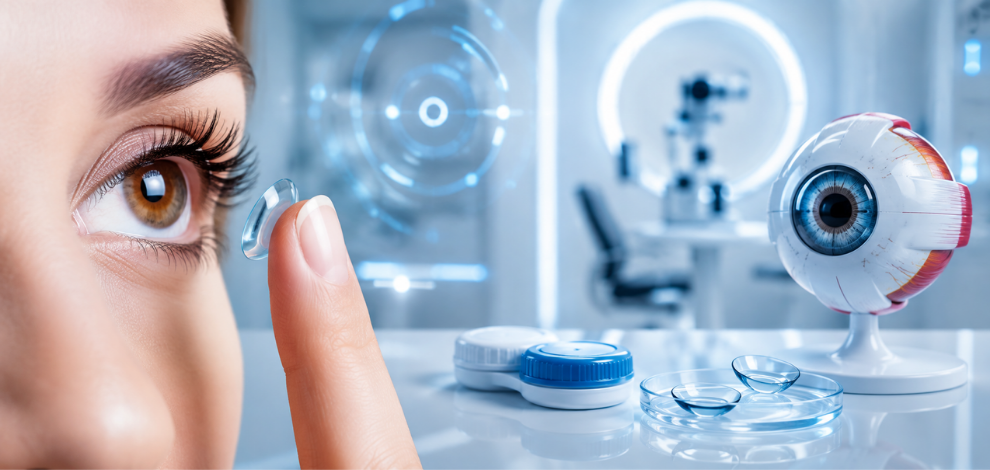

Our dedicated contact lens clinic supports patients who prefer contact lenses over spectacles for daily vision correction, offering proper fitting, guidance, and ongoing support to ensure safe, comfortable use. At our clinic, contact lens fitting begins with computerized eye testing to determine your exact refractive requirements, followed by an assessment of your eye's surface curvature and tear film quality, both of which influence which type of lens will fit and perform best for your individual eyes. Dr. Mahendra Singh and our clinical team guide patients through choosing an appropriate lens type, whether soft or specialty lenses, based on their vision needs, lifestyle, and any specific eye conditions that may affect lens tolerance. Patients receive clear instructions on proper lens insertion, removal, cleaning, and storage, along with guidance on recommended wearing schedules to minimize the risk of complications such as dryness or infection. Our team also emphasizes the importance of regular follow-up visits to monitor how your eyes are responding to lens wear over time, particularly for new users adjusting to contact lenses for the first time. Whether you are considering contact lenses for the first time or need a fitting review for your current lenses, our contact lens clinic provides thorough, personalized guidance to support comfortable, safe vision correction.
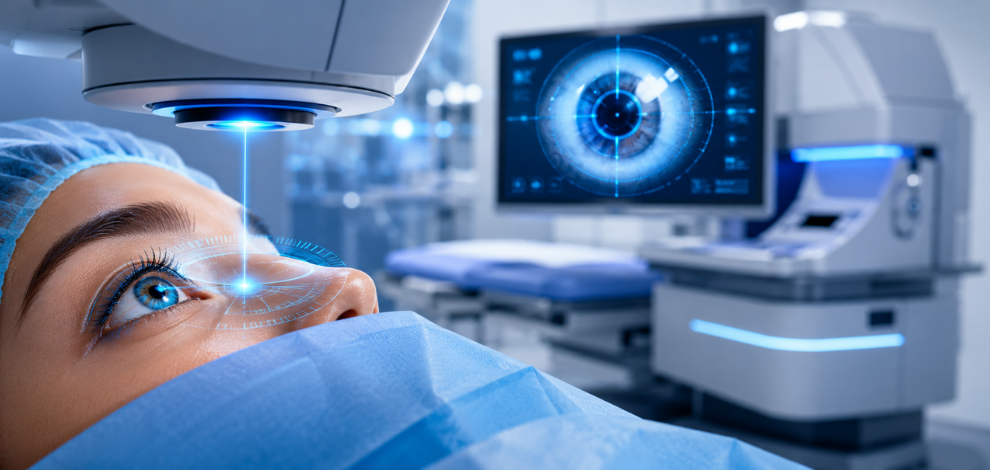
LASIK surgery offers a well-established solution for patients looking to reduce or eliminate their dependence on glasses or contact lenses. At our clinic, Dr. Mahendra Singh performs LASIK using precise, computer-guided techniques to reshape the cornea, correcting common refractive errors such as nearsightedness, farsightedness, and astigmatism. Before recommending the procedure, a thorough pre-surgical evaluation is conducted, including detailed computerized eye testing and corneal assessment, to confirm suitability and rule out any conditions that might make LASIK unsuitable. The outpatient procedure typically takes a short time to complete for both eyes and is performed under numbing eye drops, with most patients reporting only mild pressure rather than pain during treatment. Many patients experience noticeably improved vision within twenty-four hours, with continued stabilization over the following weeks. Dr. Singh's structured OPD protocol ensures thorough pre-operative testing, clear explanation of the procedure, and scheduled follow-up visits to monitor healing and visual outcomes. While LASIK is not suitable for every patient, our careful screening process helps identify appropriate candidates, prioritizing long-term eye health and safety over quick results. If you are tired of relying on glasses or contact lenses, a consultation with Dr. Singh can help you understand whether LASIK is a suitable option for your specific vision needs.
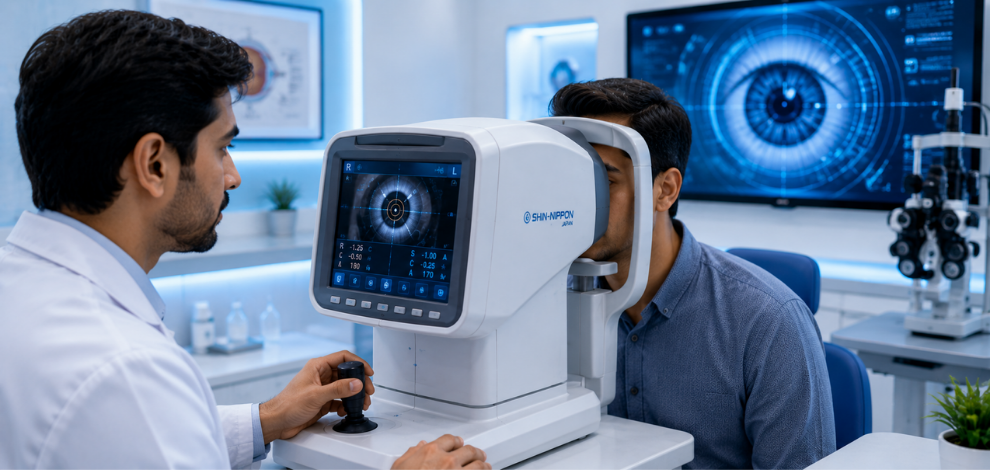
Accurate vision assessment is the foundation of good eye care, and it begins with computerized eye testing using our auto-refractometer from Shin Nippon, Japan. This device measures how light focuses within your eye, providing a precise, objective starting point for determining refractive errors such as nearsightedness, farsightedness, and astigmatism. Unlike manual estimation methods, computerized refraction reduces guesswork, giving Dr. Mahendra Singh a reliable baseline reading before any further clinical examination. The test itself is quick, painless, and non-invasive, simply requiring you to look into the device while it captures detailed measurements of your eye's optical properties. This forms the first step of our structured OPD protocol, conducted by our optometrist immediately after registration. Once the automated readings are captured, they are cross-checked against subjective vision testing to fine-tune your exact prescription, ensuring glasses or contact lens recommendations are as accurate as possible. Computerized testing is also valuable in tracking gradual changes in vision over time, helping detect early refractive shifts that may otherwise go unnoticed. Whether you are visiting for a routine checkup, updating your glasses prescription, or being evaluated before a surgical procedure such as cataract or LASIK surgery, this test provides essential, accurate data that supports every subsequent clinical decision made during your visit.
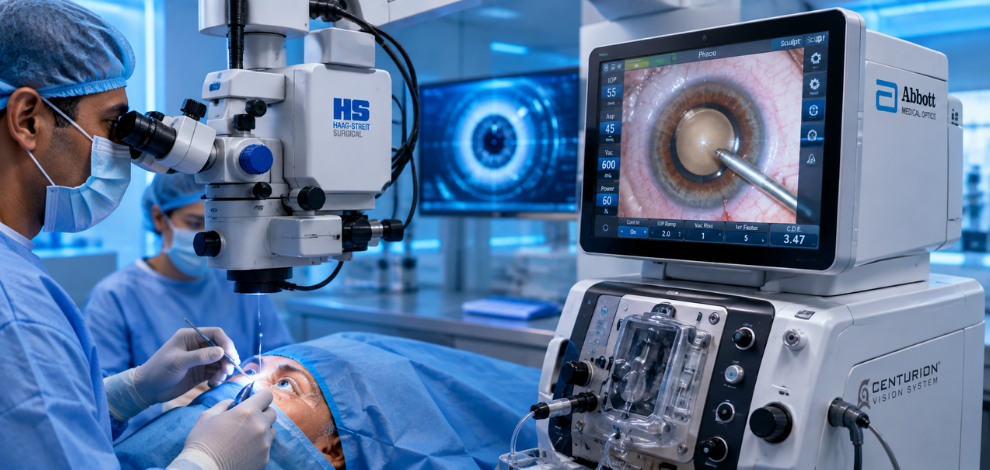
Cataract surgery is one of the most commonly performed and highly successful eye procedures, and at our clinic, it is performed by Dr. Mahendra Singh using the advanced phacoemulsification system from Abbott Medical Optics, USA. This technique uses ultrasound energy to gently break up the clouded natural lens, which is then removed through a very small incision, minimizing trauma to surrounding eye tissue. A clear artificial intraocular lens (IOL) is then implanted to restore sharp, focused vision. The procedure is supported by a precision operating microscope from Moller Wedel Haag Streit, Germany, allowing Dr. Singh to work with exceptional accuracy throughout surgery. Before recommending surgery, a detailed cataract work-up is conducted, including computerized vision testing, to assess severity and confirm suitability for the procedure. The surgery is typically quick, performed on an outpatient basis, and requires only local anesthesia, meaning patients can return home the same day. Most patients notice a significant improvement in vision within a few days, with full recovery over the following weeks. Our OPD protocol ensures every patient is guided step-by-step, from registration and vision testing to post-dilation examination and post-operative advice, so the entire process feels clear and well-organized. If cloudy or blurred vision is affecting your daily life, a consultation with Dr. Singh can help determine whether cataract surgery is right for you.
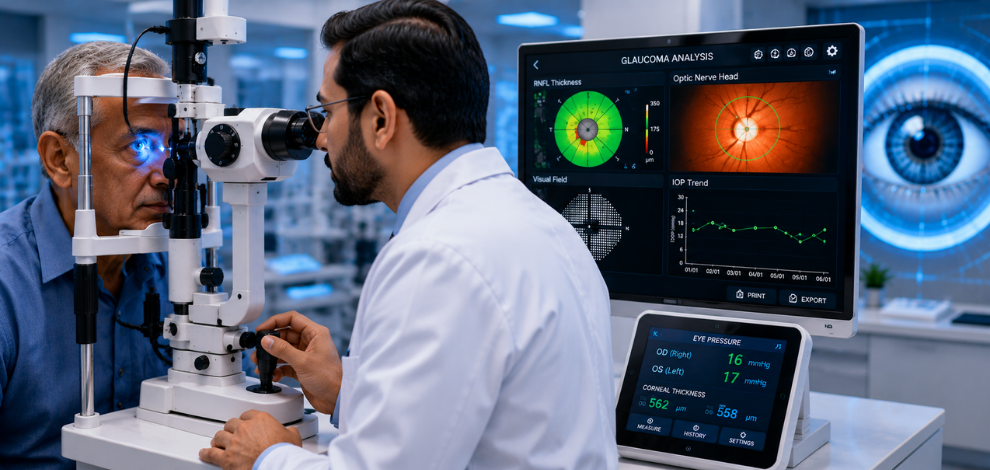

Glaucoma is a serious eye condition that gradually damages the optic nerve, often without noticeable early symptoms, making regular screening essential for early detection. At our clinic, Dr. Mahendra Singh provides thorough glaucoma diagnosis using detailed clinical examination alongside computerized eye testing, helping identify elevated eye pressure and optic nerve changes before significant vision loss occurs. Since glaucoma often progresses silently, many patients are unaware they have the condition until it reaches an advanced stage, which is why routine comprehensive eye examinations play such an important role, particularly for individuals over forty, those with a family history of glaucoma, or patients with diabetes or hypertension. Once diagnosed, treatment is tailored to the type and severity of glaucoma, often beginning with prescription eye drops designed to lower eye pressure and reduce the risk of further optic nerve damage. Dr. Singh closely monitors patients over time, tracking eye pressure and optic nerve health through regular follow-up visits to ensure treatment remains effective. In cases where medication alone is insufficient, further treatment options are discussed based on individual patient needs. Our goal is to help patients protect their remaining vision through consistent, proactive management. If you have risk factors for glaucoma or have not had a comprehensive eye exam recently, scheduling a consultation with Dr. Singh is an important step toward safeguarding your long-term eye health
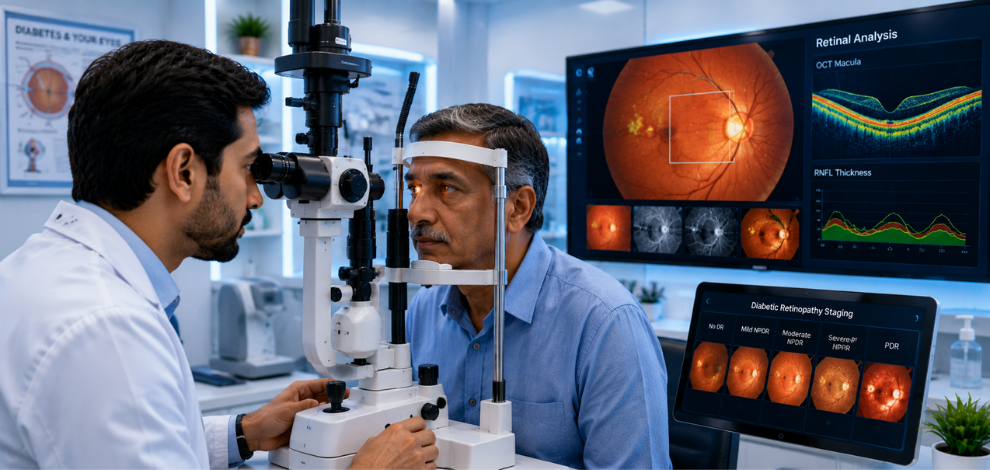
Diabetic retinopathy is an eye condition that develops when prolonged high blood sugar levels damage the tiny blood vessels within the retina, potentially leading to vision loss if left untreated. At our clinic, Dr. Mahendra Singh provides thorough diabetic retinopathy diagnosis through detailed retinal examination, often following pupil dilation, to closely assess the health of the blood vessels and detect any early signs of damage, such as leakage, swelling, or abnormal vessel growth. Because diabetic retinopathy frequently progresses without early symptoms, regular eye screening is strongly recommended for all diabetic patients, even those who have not noticed any changes in their vision. Depending on the severity and stage of the condition, treatment approaches may include closer monitoring, blood sugar management guidance in coordination with the patient's physician, or further intervention where clinically indicated. Dr. Singh emphasizes a proactive approach, encouraging diabetic patients to undergo comprehensive eye exams at least once a year, or more frequently if retinal changes are already present. Our structured OPD protocol ensures a thorough retinal assessment during every visit, supporting timely detection of any progression. Diabetic retinopathy is one of the leading causes of preventable blindness among working-age adults, making consistent screening and management an essential part of overall diabetes care. If you have diabetes, scheduling regular eye examinations with Dr. Singh is a vital step in protecting your long-term vision.
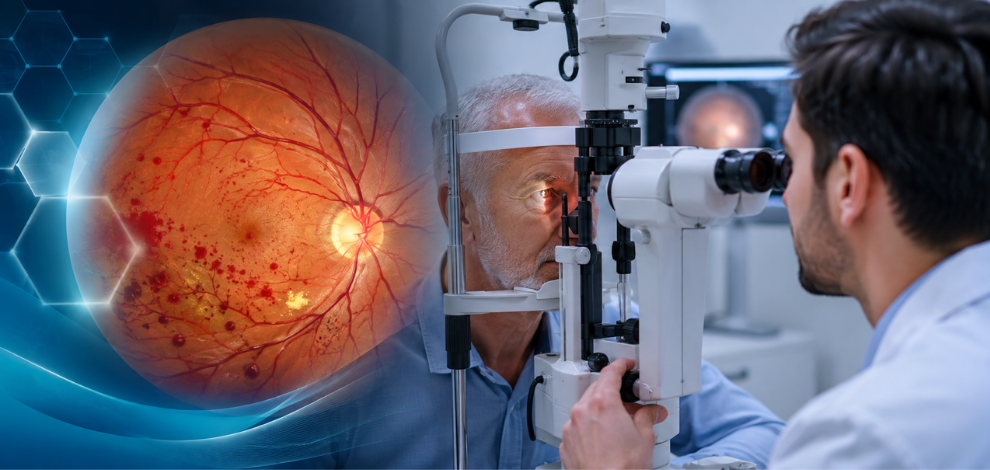
Hypertensive retinopathy occurs when consistently high blood pressure damages the delicate blood vessels within the retina, potentially affecting vision if left unmonitored. At our clinic, Dr. Mahendra Singh provides careful diagnosis of hypertensive retinopathy through detailed retinal examination, identifying signs such as narrowed blood vessels, hemorrhages, or swelling that may indicate the effects of prolonged high blood pressure on the eye. Many patients with hypertension are unaware of any impact on their eyes until a comprehensive eye examination reveals retinal changes, making regular screening particularly important for individuals with long-standing or poorly controlled high blood pressure. During examination, Dr. Singh assesses the severity of retinal changes, which can also provide useful insight into how blood pressure may be affecting other organs in the body. Management typically focuses on close coordination with the patient's physician to achieve better blood pressure control, alongside regular monitoring of retinal health to track any changes over time. Our structured OPD protocol ensures a thorough eye examination, often following pupil dilation, to allow a clear, detailed view of the retina. If you have hypertension, particularly if it has been difficult to control, scheduling a comprehensive eye examination with Dr. Singh can help assess whether your blood pressure may be affecting your eye health, supporting timely, coordinated management.
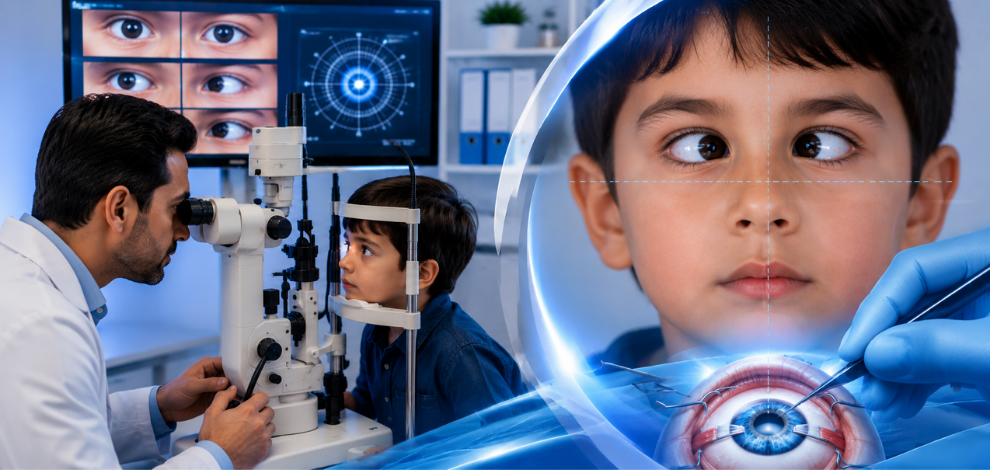

Squint, also known as strabismus, occurs when the eyes are not properly aligned, with one eye potentially turning inward, outward, upward, or downward while the other looks straight ahead. At our clinic, Dr. Mahendra Singh conducts a thorough squint work-up, assessing the degree and pattern of misalignment along with overall eye muscle function, to determine the most appropriate treatment approach for each patient. Squint can affect both children and adults, and beyond its cosmetic impact, it can also interfere with depth perception and, in children, may contribute to reduced vision development in the affected eye if left untreated. Depending on the type and severity of squint identified during the work-up, treatment recommendations may include corrective glasses, vision therapy, or squint surgery to realign the eye muscles and restore proper eye positioning. Squint surgery involves carefully adjusting the muscles responsible for eye movement, performed with attention to precision given the delicate nature of the surrounding structures. Dr. Singh takes time to explain the specific type of squint identified, the recommended treatment path, and expected outcomes, helping patients and parents feel informed throughout the process. Early evaluation is particularly important for children, as timely treatment can significantly improve visual development. If you or your child show signs of eye misalignment, a thorough squint evaluation can help determine the most effective treatment approach.
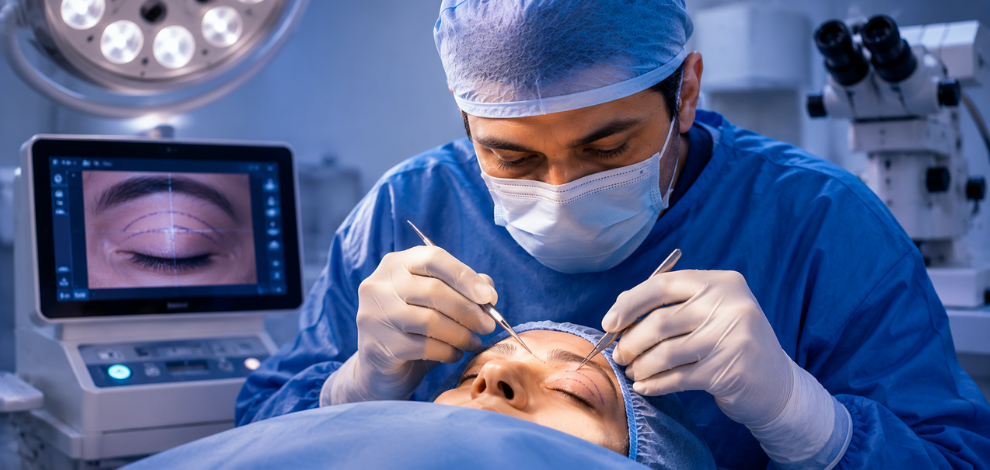

Ptosis refers to the drooping of the upper eyelid, which can range from a mild cosmetic concern to a more significant condition that partially obstructs vision. At our clinic, Dr. Mahendra Singh conducts a thorough ptosis work-up, assessing the degree of eyelid drooping, the strength of the muscle responsible for lifting the eyelid, and whether the condition is affecting the visual field. Ptosis can occur due to various causes, including age-related muscle weakening, congenital factors present from birth, or as a result of previous eye surgery or injury. Depending on the findings of the work-up, Dr. Singh recommends an appropriate treatment approach, which may include ptosis surgery to tighten or reposition the muscle responsible for eyelid elevation. The surgical technique used depends on the specific cause and severity of ptosis identified during evaluation, with the goal of achieving both improved vision, where obstruction is present, and better eyelid symmetry. Dr. Singh takes time to explain the underlying cause of ptosis identified during the work-up and discusses realistic expectations regarding surgical outcomes. Whether ptosis is affecting your vision or causing cosmetic concern, a thorough evaluation can help determine whether surgical correction is appropriate for your specific situation, restoring both function and a more natural eyelid position.
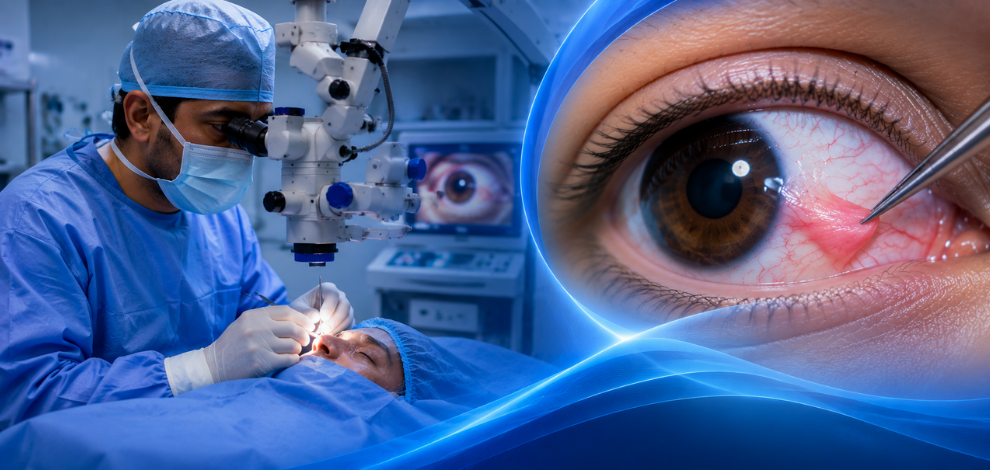

Pterygium is a fleshy, non-cancerous growth of tissue that develops on the surface of the eye, typically starting near the inner corner and sometimes extending toward the cornea. At our clinic, Dr. Mahendra Singh evaluates pterygium cases to assess the size, growth pattern, and whether the growth is affecting vision or causing persistent irritation. Commonly linked to prolonged sun exposure, dust, and dry, windy environments, pterygium often begins as a mild cosmetic concern but can progress over time, sometimes extending onto the cornea and affecting vision if left untreated. Symptoms may include redness, irritation, a persistent foreign body sensation, or in advanced cases, blurred vision due to corneal involvement. For smaller, stable pterygium cases without significant symptoms, monitoring and protective measures such as sunglasses may be sufficient. However, for growths that are enlarging, causing persistent discomfort, or threatening vision, Dr. Singh recommends pterygium surgery to carefully remove the abnormal tissue and restore a smoother, healthier eye surface. The surgical technique used aims to minimize the risk of recurrence, a known consideration with pterygium removal. Dr. Singh discusses the specific surgical approach and expected recovery process during consultation, helping patients understand what to expect. If you have a growth on your eye's surface, particularly if it is enlarging or causing discomfort, a thorough evaluation can help determine whether surgical removal is recommended.
Dr. Pallavi Garg (BDS, MIDA) provides comprehensive dental care for healthy, confident smiles at every age. Our services include teeth cleaning and polishing, tooth-coloured fillings, all-ceramic crowns, dentures, dental implants, laminates, veneers, and tooth jewellery. We also offer single-sitting computerized root canal treatment, crowns and bridges, and surgical tooth extraction. With modern techniques, strict hygiene, and a gentle patient-focused approach, we ensure comfortable and effective dental care.
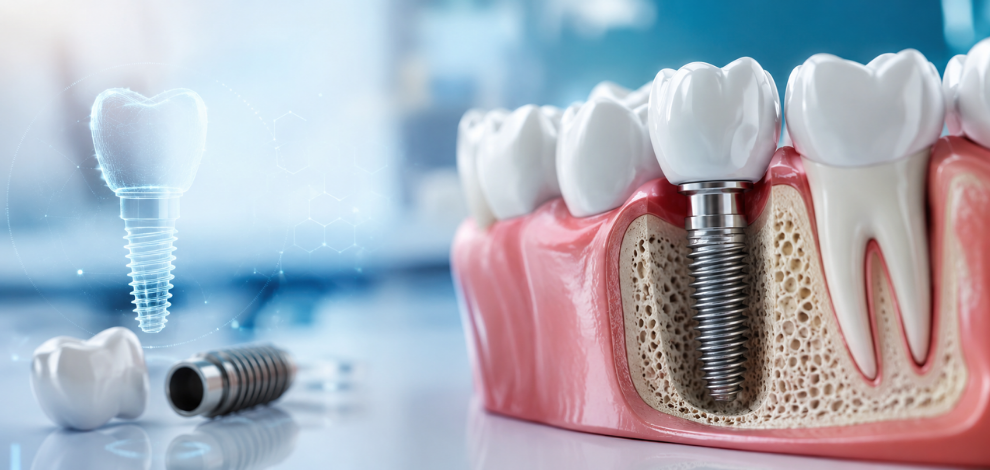
Dental implants are a durable, natural-looking solution for replacing missing teeth, restoring both function and confidence in your smile. At our clinic, Dr. Pallavi Garg provides dental implant treatment using precise surgical technique and quality implant materials designed for long-term stability. A dental implant consists of a titanium post surgically placed into the jawbone, acting as an artificial tooth root, onto which a custom-crafted crown is later attached to match the appearance of your natural teeth. Before recommending implants, a thorough assessment of your oral health, jawbone density, and gum condition is conducted, often supported by digital imaging, to ensure the treatment plan is safe and appropriate. The process typically unfolds over several visits, allowing sufficient healing time for the implant to properly integrate with the jawbone before the final crown is placed. Throughout treatment, Dr. Garg prioritizes patient comfort, using effective local anesthesia and gentle surgical techniques to minimize discomfort. Unlike removable dentures, implants offer a fixed, stable solution that functions and feels like natural teeth, supporting normal chewing, speech, and facial structure. Proper aftercare and oral hygiene practices are essential to maximize implant longevity. Whether you are missing a single tooth or multiple teeth, Dr. Garg can help you understand whether dental implants are the right long-term solution for your smile.

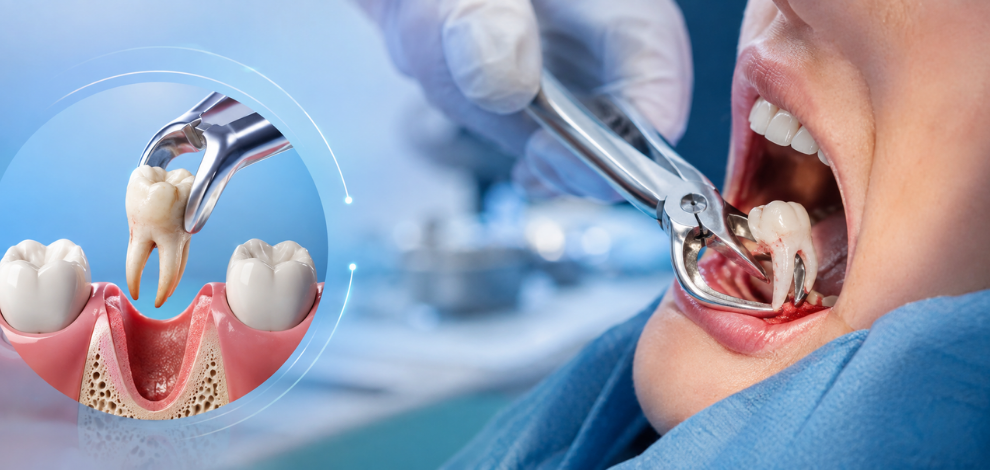
Surgical extraction is recommended when a tooth cannot be removed through a simple extraction procedure, typically due to factors such as impaction, being broken below the gumline, or having roots that are curved or positioned in a way that requires a more careful surgical approach. At our clinic, Dr. Pallavi Garg performs surgical extractions with careful attention to patient comfort and safety, ensuring the procedure is handled efficiently while minimizing trauma to the surrounding tissue. Common cases requiring surgical extraction include impacted wisdom teeth, teeth that have fractured at the gumline, and teeth with complex root structures that make straightforward removal difficult. The procedure is performed under local anesthesia, and in some cases, a small incision may be needed to access the tooth, followed by careful removal and, if necessary, gentle repositioning of tissue to support proper healing. Dr. Garg provides clear pre- and post-procedure instructions, helping patients understand what to expect and how to care for the extraction site during recovery. Mild swelling, discomfort, and some restriction on chewing near the site are common in the days following surgical extraction, typically improving steadily during the healing period. If you have been advised that a tooth requires surgical removal, our clinic provides careful, patient-focused care throughout the entire process.

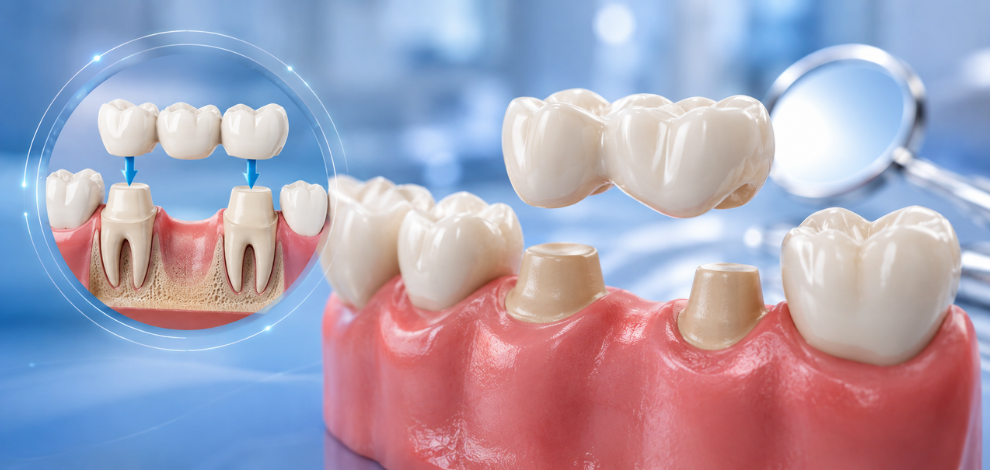
Crowns and bridges offer effective, durable solutions for restoring damaged teeth and replacing missing teeth, helping patients maintain proper function and a confident smile. At our clinic, Dr. Pallavi Garg provides carefully fitted crowns to restore individual teeth that have been significantly weakened or damaged, and bridges to replace one or more missing teeth by anchoring a replacement to the adjacent natural teeth. A crown fully covers and protects a damaged tooth, restoring its shape, strength, and appearance, while a bridge consists of a false tooth, or teeth, held in place by crowns placed on the natural teeth on either side of the gap. Both treatments require careful preparation of the supporting teeth, precise impressions, and custom fabrication to ensure an accurate, comfortable fit that blends naturally with your existing teeth. Bridges offer a fixed, non-removable solution for missing teeth, restoring normal chewing function and preventing surrounding teeth from shifting into the empty space over time. With proper oral hygiene and regular checkups, both crowns and bridges can provide reliable, long-term results. Dr. Garg carefully evaluates each patient's specific situation to determine whether a crown, bridge, or alternative treatment such as a dental implant would best address their individual needs.

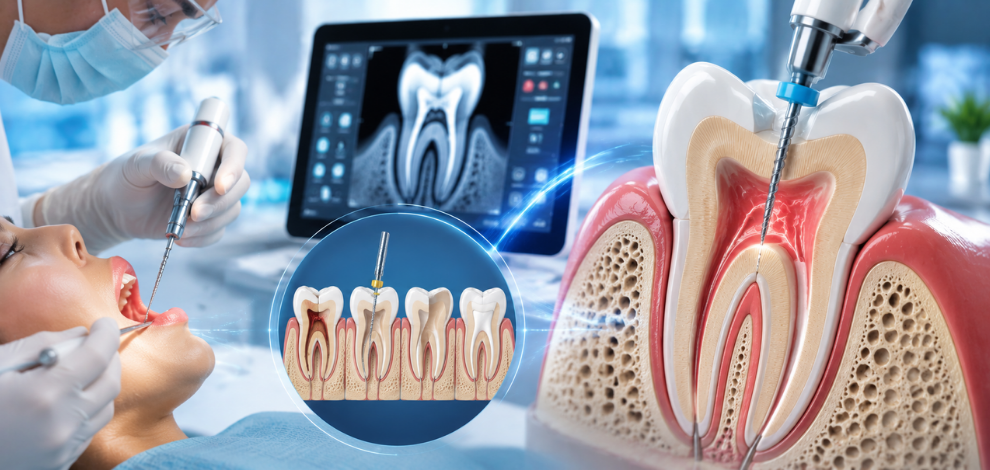
Root canal treatment becomes necessary when the inner pulp of a tooth becomes infected or inflamed, typically due to deep decay or injury. At our clinic, Dr. Pallavi Garg offers computerized, single-sitting root canal treatment, designed to resolve the infection efficiently while minimizing the number of visits required. Using computerized measurement tools, the exact length and shape of the root canal are determined with precision, allowing for accurate cleaning and shaping of the canal in a single, well-planned appointment. The procedure begins with local anesthesia to ensure complete comfort, followed by careful removal of the infected pulp tissue, thorough cleaning and disinfection of the canal, and finally sealing the tooth to prevent future infection. In most cases, a crown is later recommended to restore the strength and function of the treated tooth, particularly for back teeth that bear significant chewing pressure. Choosing single-sitting root canal treatment offers convenience for patients with busy schedules, reducing the need for multiple appointments while still achieving thorough, effective results. Dr. Garg's use of computerized technology allows for more predictable, precise treatment compared to traditional methods, helping reduce treatment time without compromising quality. Mild soreness after the procedure is normal and typically resolves within a few days. If you are experiencing persistent tooth pain or sensitivity, a timely root canal consultation can help save your natural tooth and relieve discomfort effectively.

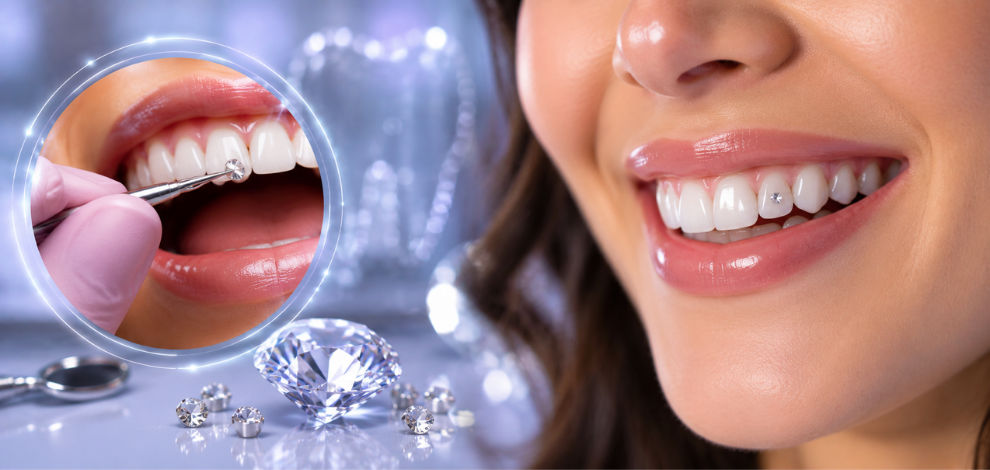
Tooth jewellery offers a fun, subtle way to add a personal cosmetic touch to your smile, involving the placement of a small decorative element, such as a crystal or gem, onto the surface of a tooth. At our clinic, Dr. Pallavi Garg provides tooth jewellery application as a safe, non-invasive cosmetic option for patients interested in this unique form of dental decoration. The procedure is simple and painless, involving no drilling or alteration to the tooth structure itself. A small decorative piece is carefully bonded to the surface of a chosen tooth, typically a front tooth, using a safe dental adhesive, similar to the bonding techniques used in other cosmetic dental procedures. The application process is quick, generally completed within a single short visit, and does not affect the health or function of the tooth in any way. Tooth jewellery can be removed at any time without damaging the underlying tooth enamel, offering patients flexibility should they wish to change or remove the decoration later. Dr. Garg ensures the placement is done safely and hygienically, discussing tooth and placement options with each patient beforehand. If you are looking for a unique, playful way to personalize your smile, tooth jewellery offers a safe, simple cosmetic option worth considering.

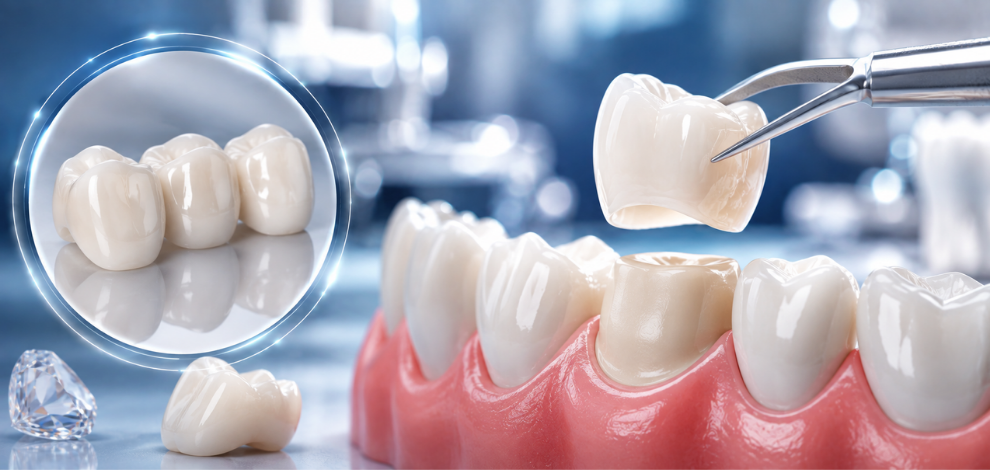
All-ceramic crowns offer a durable, natural-looking solution for restoring teeth that have been significantly damaged, decayed, or weakened, providing both structural strength and aesthetic appeal. At our clinic, Dr. Pallavi Garg provides carefully crafted all-ceramic crowns, designed to fully cover and protect a compromised tooth while blending seamlessly with the surrounding natural teeth. Crowns are often recommended following extensive decay, large fillings that can no longer adequately support the tooth, root canal treatment, or in cases involving cracked or significantly worn teeth requiring additional structural support. The process typically involves careful shaping of the affected tooth to accommodate the crown, followed by precise impressions used to fabricate a custom-fitted, natural-shaded ceramic crown. Unlike traditional metal-based crowns, all-ceramic options offer superior aesthetic results, closely matching the appearance of natural tooth enamel while still providing strong, durable protection for the underlying tooth structure. Once fabricated, the crown is carefully fitted and permanently bonded into place, restoring both function and appearance to the treated tooth. With proper oral hygiene and regular checkups, all-ceramic crowns can last for many years, offering a reliable long-term restoration. If you have a significantly damaged or weakened tooth, an all-ceramic crown may provide the durable, natural-looking solution you need.

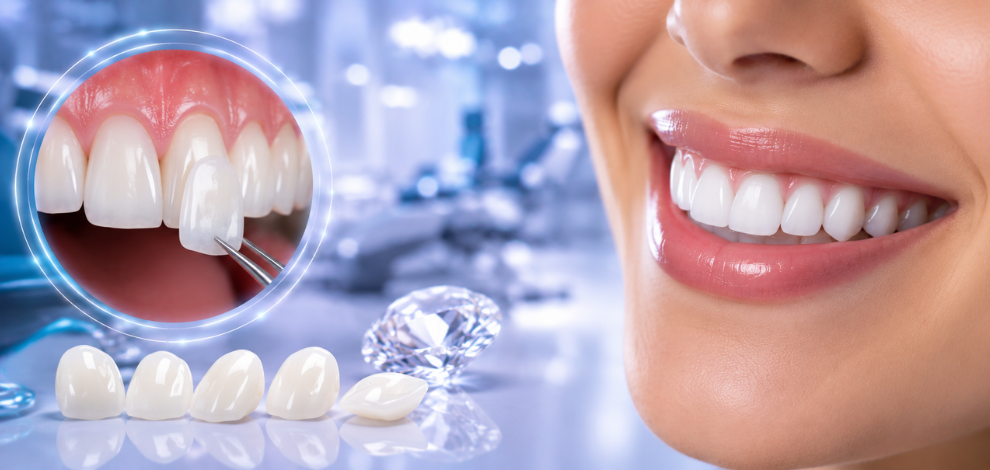
Laminates and veneers offer an effective cosmetic solution for enhancing the appearance of your smile, addressing concerns such as discoloration, minor misalignment, chips, or gaps between teeth. At our clinic, Dr. Pallavi Garg provides carefully designed veneers, thin custom-made shells bonded to the front surface of your teeth, to improve shape, color, and overall smile aesthetics. The process begins with a detailed consultation to understand your smile goals, followed by careful preparation of the tooth surface and precise shade matching to achieve a natural-looking result. Veneers are custom-fabricated to fit your specific teeth, then bonded securely to the tooth surface, creating an improved appearance while maintaining a natural look and feel. This treatment is particularly popular among patients seeking to address multiple minor cosmetic concerns at once, offering a more conservative alternative to more invasive procedures such as crowns for certain cases. With proper care, including good oral hygiene and avoiding excessive force on treated teeth, veneers can provide long-lasting, durable results. Dr. Garg takes time during consultation to discuss your specific goals and determine whether veneers are a suitable option for achieving your desired smile improvement. If you are looking to enhance the appearance of your teeth, veneers may offer an effective, natural-looking cosmetic solution worth exploring.

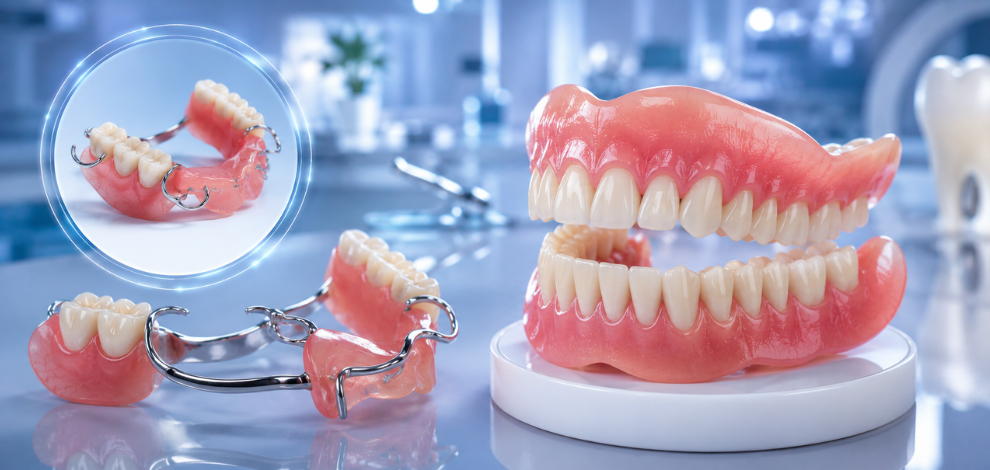
For patients missing several or all of their natural teeth, partial and complete dentures offer a removable, effective solution for restoring both function and appearance. At our clinic, Dr. Pallavi Garg provides carefully fitted dentures designed to support proper chewing, speech, and facial structure, tailored to each patient's specific needs. Partial dentures are recommended for patients missing some, but not all, of their natural teeth, filling the gaps while attaching securely to remaining healthy teeth for stability. Complete dentures, on the other hand, are designed for patients missing all teeth in the upper or lower jaw, replacing them with a full, custom-fitted removable appliance. The process begins with detailed impressions and measurements of your mouth, allowing our clinic to create dentures that fit comfortably and function effectively for daily use. Dr. Garg carefully considers factors such as bite alignment, facial structure, and aesthetic appearance to ensure the finished dentures look natural and support proper oral function. Following delivery, some adjustment period is normal as you become accustomed to wearing your new dentures, and follow-up visits allow for any necessary fit adjustments. With proper care and regular checkups, dentures can provide a reliable, long-term solution for missing teeth. If you are missing several or all of your natural teeth, dentures may be a suitable option worth discussing.

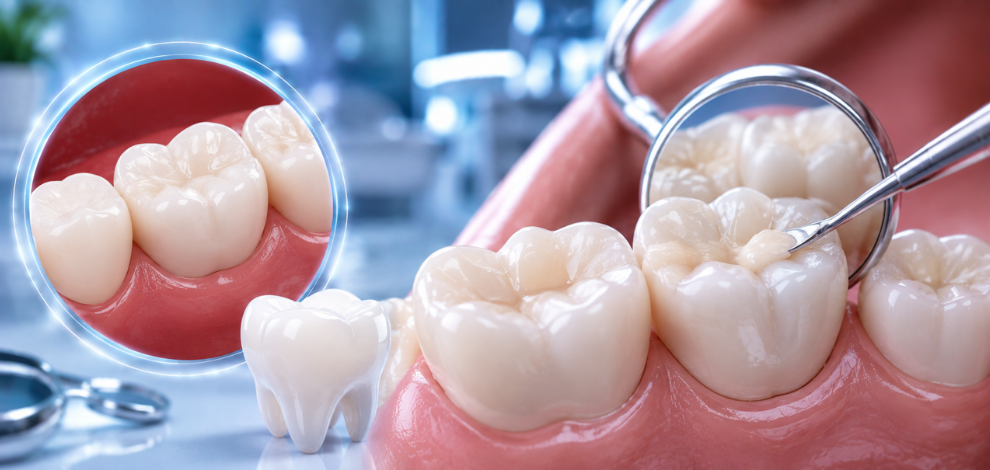
Tooth-coloured fillings offer an effective, natural-looking solution for repairing teeth affected by decay or minor damage, blending seamlessly with the surrounding tooth structure. At our clinic, Dr. Pallavi Garg uses quality composite filling materials carefully matched to your natural tooth shade, ensuring the repaired area is virtually indistinguishable from the rest of your tooth. The procedure begins with careful removal of decayed tooth material, followed by precise placement and shaping of the tooth-coloured filling material, which bonds directly to the remaining healthy tooth structure. Unlike older metal-based fillings, tooth-coloured fillings offer both aesthetic and functional benefits, requiring less removal of healthy tooth structure during placement while providing a more natural appearance that blends with your smile. This treatment is suitable for a range of cases, from small cavities to moderate decay, and can also be used to repair minor chips or cosmetic imperfections in some situations. Dr. Garg takes care to ensure proper bonding and shaping of the filling material, supporting durability and a comfortable bite once the restoration is complete. With proper oral hygiene and regular checkups, tooth-coloured fillings can last for many years, providing reliable, long-term tooth repair. If you have a cavity or minor tooth damage, tooth-coloured fillings offer an effective, aesthetically pleasing treatment option.

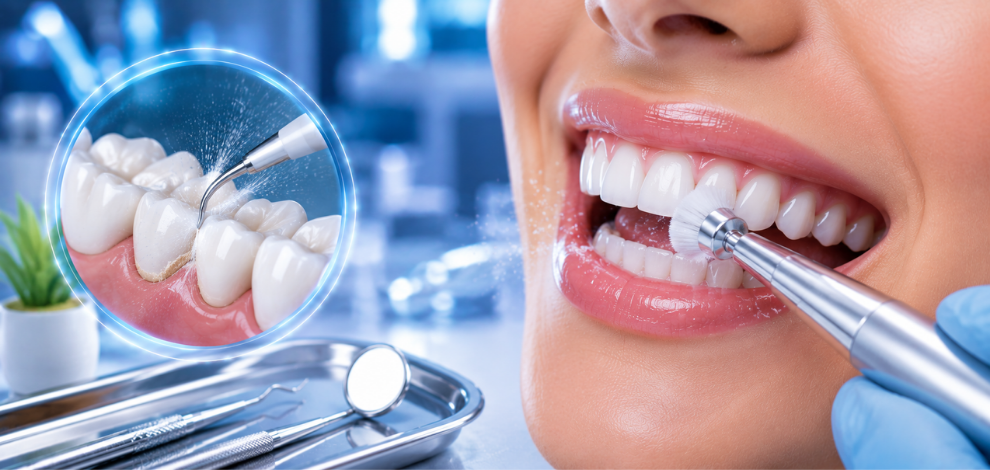
Professional teeth cleaning and polishing forms the foundation of good preventive dental care, helping remove plaque, tartar, and surface staining that regular brushing alone cannot fully address. At our clinic, Dr. Pallavi Garg performs thorough dental cleanings using proper instruments to gently remove built-up deposits along the gumline and between teeth, areas that are particularly prone to plaque accumulation. Following cleaning, a polishing step smooths the tooth surface, helping reduce future plaque buildup while also improving the appearance of your teeth by removing surface stains from food, beverages, or tobacco use. Regular cleaning appointments play an important role in preventing more significant dental issues, including gum disease and tooth decay, by addressing early plaque buildup before it progresses into more serious conditions such as gingivitis. Beyond the physical cleaning, these visits also allow Dr. Garg to closely examine your teeth and gums, identifying any early signs of decay, gum recession, or other concerns that may require further attention. We generally recommend professional cleaning every six months for most patients, though some individuals with specific gum health concerns may benefit from more frequent visits. Whether it has been a while since your last dental visit or you are simply due for your routine cleaning, scheduling this appointment is a simple, effective way to protect your long-term oral health.